
Modular Buildings Collection Guide
An architectural breakdown of the 32x32 stud standard, sidewalk connection geometry, inter-floor modularity, and corner layout planning across the history of the theme.
From the architectural discipline of the Modular Buildings standard to kinematic Technic gearboxes and photolytic polymer restoration, explore comprehensive guides designed for serious adult builders and long-term collectors.
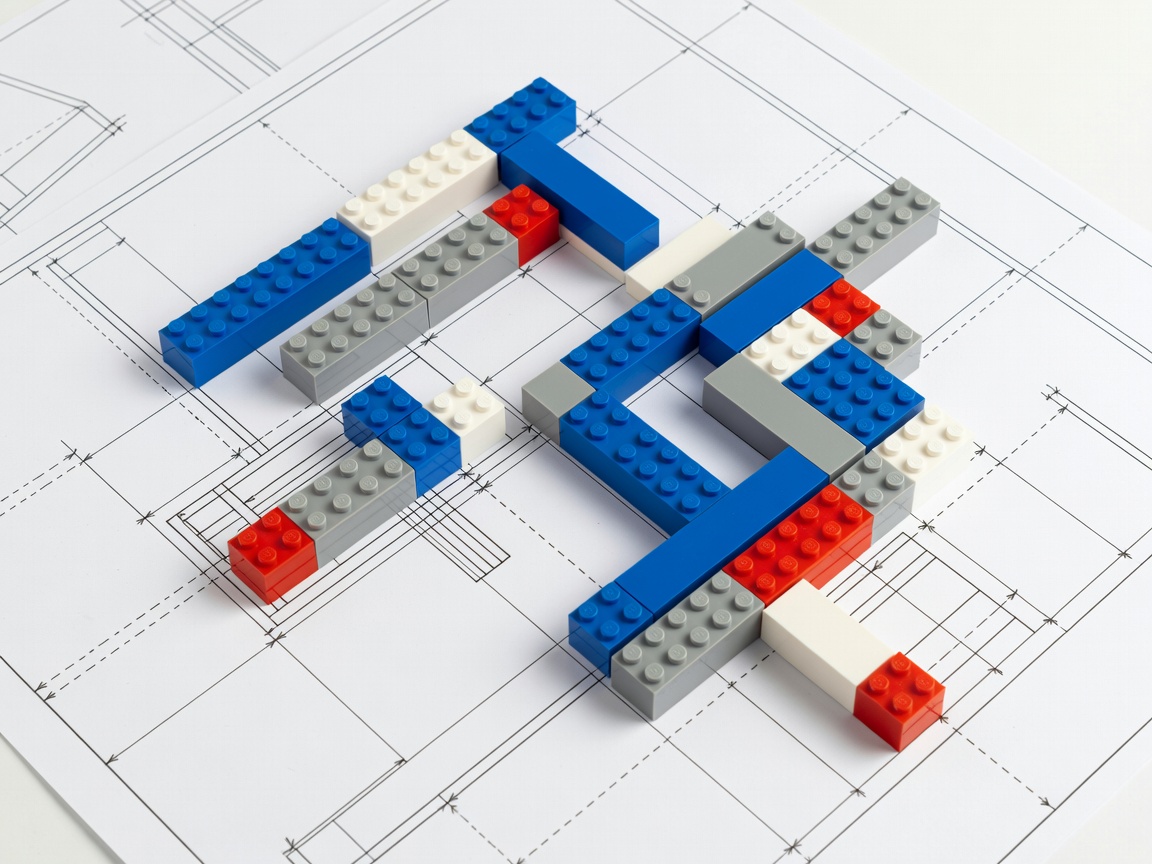
Explore our five primary research subjects covering construction standards, mechanism mechanics, archival cataloging, historical lineage, and element rehabilitation.
An architectural breakdown of the 32x32 stud standard, sidewalk connection geometry, inter-floor modularity, and corner layout planning across the history of the theme.
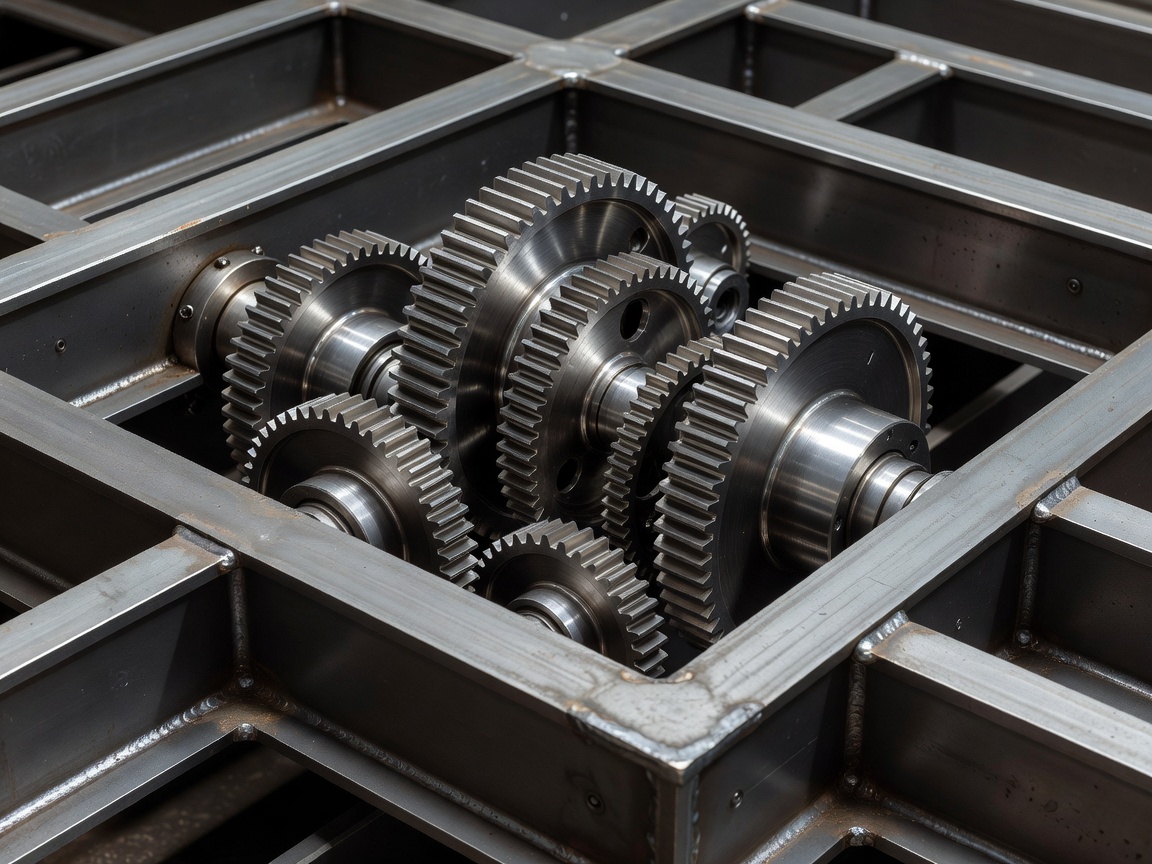
Studded versus studless construction methodologies, differential torque distributions, universal joints, pneumatic kinematics, and gear ratio reductions.

Preservation physics for Acrylonitrile Butadiene Styrene (ABS) and Polycarbonate (PC) elements. Torso stress relief, UV filtering, and anti-static bin configurations.

The evolution of Classic Space, Blacktron, M-Tron, Space Police, and Ice Planet 2002. Color palette shifts, faction lore, and hinge-canopy engineering.
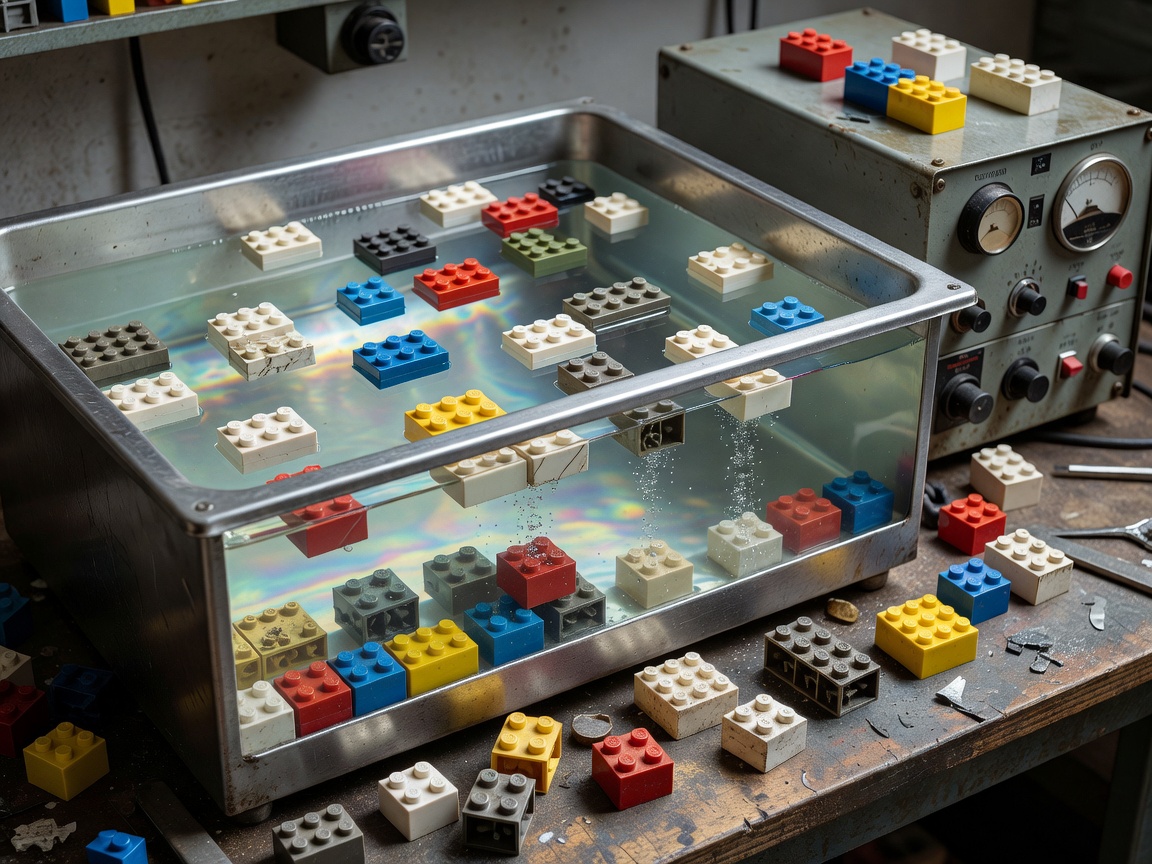
Safe surfactant washing bath chemistry, ultrasonic decontamination limits, and retrobright hydrogen peroxide photo-oxidation for yellowed light grey ABS.
The LEGO System in Play functions upon strict mathematical modularity: five plates stacked vertically equate precisely to two studs in horizontal pitch. We break down the mathematical foundation enabling advanced SNOT (Studs Not On Top) configurations and structural load distribution in monumental builds.
ABS polymer contains butadiene rubber phases vulnerable to UV-photodegradation and free-radical bromine discoloration. Our preservation and cleaning guidelines rely on documented polymer chemistry to prevent clutch-power fatigue and embrittlement over multi-decade lifespans.